How to Write a Box Quote Request That Gets a Real Price
Most delays in getting a box quote come from missing details. The supplier has to ask questions before pricing anything. This guide lists what to include in your first message, and why each detail changes the price.
In this article
Start with the size of what goes inside
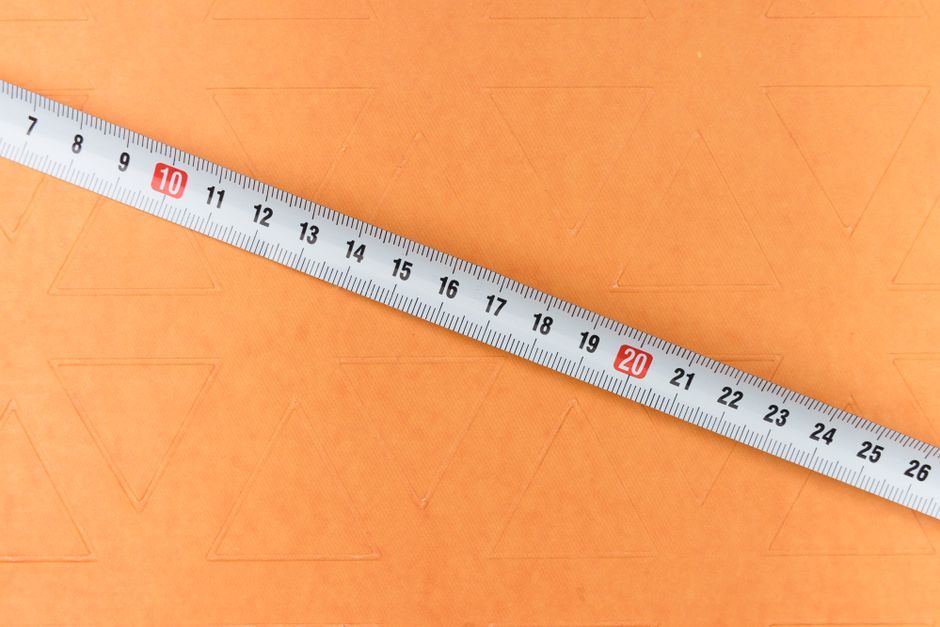
The most useful detail is the size of the product. Measure its length, width and height, and say whether those are the product or the box you want. Suppliers usually quote the inside size of a box, so a product that measures 30 by 20 by 10 centimetres needs a box slightly larger than that.
If you are replacing a box you already use, give its inside dimensions and say what works or does not work about it. A box that is too big wastes board and filler, and one that is too small damages the product.
A simple check is to pack one product the way it will really ship, close the box and measure it. If you can only fit the product by pressing it in, the box needs to be larger. If it rattles when you shake it, the box is too big.
Say how heavy it is and how it ships
Weight decides the board strength. Corrugated board comes in single wall, double wall and triple wall, and a heavy product in a light board will fail even when the box style is right. Tell the supplier the weight of one filled box.
Also say how the box travels. A box that goes by courier parcel is handled roughly. A box that goes on a pallet is stacked, so the supplier needs to know the stacking height and how long it sits in storage.
If the box will hold several items, give the weight of the full box, not one item. Suppliers size the board to the loaded weight, so a figure for a single item can lead to a box that is too weak once it is full.
Give a realistic quantity
Price per box usually falls as quantity rises, so a supplier will want a number. Give the quantity for one order, and say whether you will order again. An ongoing order is easier to plan around than a single run.
If your demand varies, say so. A range, such as a low and a high figure, is better than a guess that is too far off.
Quantities also affect which production method makes sense. Smaller runs are often handled differently from large ones, so a supplier may suggest another approach, or a stock size, if your volume is low.
Tell the supplier about print and artwork
A plain brown box and a printed one are priced differently. Say whether you want print, how many colours, and whether you have finished artwork. If you do not have artwork, say so, because the supplier may offer design help.
If the box will be seen by customers, mention that too. It affects the print choice and the board finish.
Artwork files are best sent as vector or high-resolution files. A supplier can tell you which formats they accept, and can often check a file before any printing starts.
Add timing and delivery
Give the date you need the boxes. A supplier can tell you what is possible, and whether a quicker run is available. Add the delivery city or address, and whether you want a single delivery or an ongoing schedule.
It also helps to say if your receiving dock has restrictions, such as set hours or a limit on pallet size.
What to expect back
A person at the supplier prepares the quote from your details. They may ask a few follow-up questions or suggest a different style or board strength. For a custom box they may offer a sample before you commit.
A request is not an order. Read the quote, compare it with what you need, and decide whether to go ahead.
Keep the quote and compare it line by line with what you asked for, including board strength, print, quantity and delivery. If something differs, ask why, because a cheaper quote may describe a different box.
Ready to describe your product? Fill in the quote form with the details above and a packaging supplier will follow up.